
Dr. James D. Namnoum | Board Certified Plastic and Reconstructive Surgeon
Breast Procedures
Motiva® Breast Implants
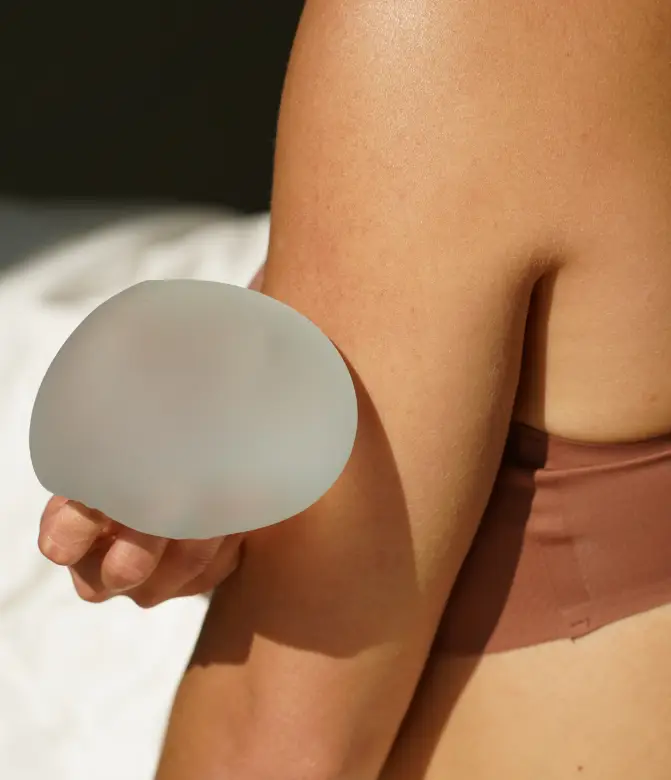
Motiva breast implants are silicone gel implants with a nano-textured, low friction shell and a soft, adaptive gel. The gel moves more naturally than in older implant types. The FDA approved Motiva for breast augmentation in September 2024, as outlined in the FDA approval decision. This approval covers women 22 and older, including those having a revision surgery.
Many women considering breast augmentation want natural-looking results that don’t look obviously surgical. In Atlanta, Dr. James Namnoum helps patients weigh Motiva implants against every other option available. The implant is chosen to fit the patient, not the other way around. Breast implants are not permanent devices. Dr. Namnoum reviews the risks and the long-term monitoring every patient needs before scheduling surgery.
What Are Motiva Breast Implants?
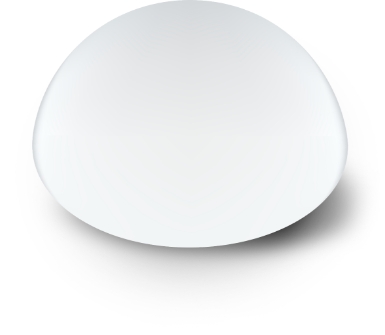
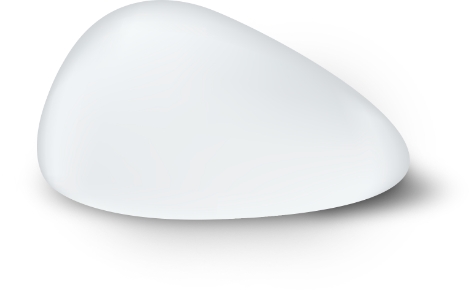
Establishment Labs makes two versions of Motiva available in the United States: SmoothSilk Round and SmoothSilk Round Ergonomix.
Three things set Motiva apart from older implants. The outer shell is nano-textured and finely finished, a texture fine enough that it behaves like a smooth implant with regard to texture-related risks. The silicone gel inside is softer and more elastic than the firmer gels used in many older “gummy bear” implants. And the shell and gel are bonded together as one piece instead of being assembled in layers.
The Round version keeps a fuller shape at the top of the breast. Motiva’s patient information describes the Ergonomix version as designed to change shape with the body. It sits rounder when lying down and slopes into more of a teardrop shape when standing. Dr. Namnoum recommends one version over the other based on chest size, existing breast tissue, and the look each patient wants. He weighs it against every other implant he offers.
How Do Motiva Implants Work?
Once placed, an implant sits in a pocket the surgeon creates. This pocket sits either just behind the breast tissue or partly under the chest muscle. The body then forms a thin layer of scar tissue around it, called a capsule. How that capsule behaves over time is a big part of whether an implant stays soft or becomes firm and tight. This complication is called capsular contracture.
Surface texture plays a role here. Heavily textured implants were originally designed to reduce capsule problems. FDA risk information confirms that these implants carry a higher risk of a rare immune system cancer known as BIA-ALCL. Motiva’s shell is nano-textured, a much finer texture linked to the same low BIA-ALCL risk as smooth implants. This finish is also designed to reduce friction against the surrounding tissue.
The gel matters too. A softer, more elastic gel moves more naturally under the weight of the breast. This is what gives Motiva implants their natural feel. It can also show less of an edge in patients with thinner breast tissue, per Motiva’s patient information.
What Does the Research Show About Motiva Implants?
Motiva has more published research behind it than many patients realize, and the results are reassuring.
The FDA required a 10-year study of these implants. Five-year clinical trial data shows that 8.8% of first-time patients and 36.0% of revision patients needed a second surgery. Most of those cases were about wanting a different size or position, not device failure. Device rupture was rare in both groups.
A separate review of 4,784 patients found a low complication rate of 5.2%, per a systematic review of outcomes. Capsular contracture occurred in 0.54% of patients with dual-plane or subpectoral placement, the rate was about 10 times higher in patients with subglandular implant placement. No cases of BIA-ALCL were reported. Researchers note that larger, longer studies will continue to build on this record.
Dr. Namnoum reads this data the way he asks patients to: as encouraging, not as a guarantee. Motiva is a well-studied implant with a favorable early record, but no implant is risk-free.
Am I a Good Candidate for Motiva Breast Implants?
Motiva tends to suit patients who want softness and natural movement over maximum size. It also suits patients with thinner breast tissue who are concerned about visible implant edges, and patients considering a breast revision who want a softer implant than the one they have now.
Candidacy also depends on what an implant cannot do. An implant adds volume. It does not lift. Patients with noticeable sagging usually need breast augmentation combined with a lift to get the result they want. Dr. Namnoum will say so directly during consultation, rather than let a patient discover it afterward.
Breast implant surgery is not right for women with an active infection anywhere in the body. It is also not right for women with untreated breast cancer or pre-cancer, or who are currently pregnant or nursing. Patients must also stop smoking and using all tobacco products before surgery.
Consultation includes a physical exam, chest and breast measurements, and a review of medical history. Dr. Namnoum also discusses implant options, sizing, and placement.
What Happens During Breast Augmentation With Motiva Implants?
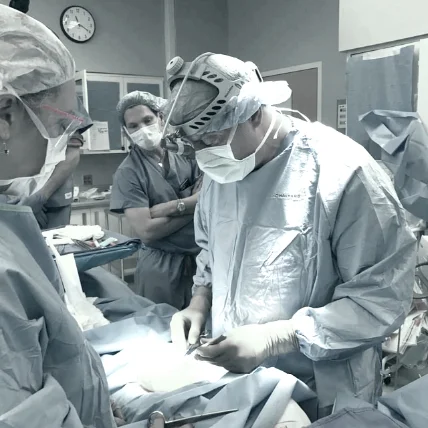
Breast augmentation is done under general anesthesia, and patients go home the same day. Dr. Namnoum creates the implant pocket, places the implant, checks that both sides match, and closes the incision.
The details behind these steps matter. Dr. Namnoum is the lead author of a published study on breast augmentation outcomes. It found that where the incision is placed, where the implant sits, and which implant is used all affect a patient’s outcome, according to Dr. Namnoum’s own published research. These factors influence the chances of complications, the implant shifting out of place, or needing a second surgery. In that study, incisions placed in the crease beneath the breast had a lower risk of the implant shifting or needing a second surgery. This risk was lower than with incisions around the areola or in the armpit.
That is why the implant brand alone does not decide the outcome. Dr. Namnoum plans the incision, the pocket, and the device together, and explains why each combination fits a patient’s case.
What Is Motiva Preservé?
Preservé is a less invasive way to place Motiva implants, as described in Motiva’s patient information. It uses a smaller incision and disturbs less tissue than standard techniques. It remains an option for select patients and is still under investigation.
What Is Recovery Like After Motiva Breast Augmentation?
Most patients are up and moving the same day and back to light activity within several days. Swelling, tightness, and soreness are expected early on and typically ease over the following weeks. A support garment is usually recommended to help hold the implant in place while healing.
Heavy lifting and strenuous exercise are restricted for several weeks. Dr. Namnoum provides detailed post-operative instructions and schedules follow-up visits to monitor healing.
Shape continues to settle for months after surgery as swelling resolves. Patients can view breast augmentation before and after photos to see how results typically mature.

What Are the Risks of Motiva Breast Implants?
All breast implants carry risk. The FDA requires a boxed warning stating that breast implants are not permanent devices. The chance of complications rises the longer they are in place, and some complications need more surgery. Known complications include capsular contracture, rupture, infection, and changes in nipple or breast sensation, as outlined in FDA risk information. Other known complications include the implant shifting out of place and the need for additional surgery.
A silicone gel rupture often causes no symptoms. FDA screening recommendations call for a first ultrasound or MRI five to six years after surgery in patients without symptoms. Patients should then repeat imaging every two to three years.
Dr. Namnoum reviews all of this before surgery, and long-term follow-up is part of the plan from the start.
Why Choose Dr. James Namnoum for Motiva Implants in Atlanta?
Dr. James D. Namnoum is a board-certified plastic surgeon practicing in Atlanta, GA. He is also a Fellow of the American College of Surgeons. His work spans both cosmetic and reconstructive breast surgery, and that dual perspective shapes how he approaches augmentation. He has spent a career rebuilding breasts. This makes him attentive to how an augmented breast looks and behaves over decades, not only at the six-week photo.
He is also a published contributor to the research other surgeons rely on. His study on how incision, pocket, and implant choice affect augmentation outcomes is cited in the surgical literature. It informs the planning he does for every patient.
His guiding standard is simple: patients should look well, healthy, and like themselves once healing is complete, never operated on.
What Do Patients Say?
“I highly recommend Dr. Namnoum! I had a consultation with him about breast implant replacement or removal. He thoroughly went through the procedure for both and answered all my questions. He said that ultimately it would be my decision and didn’t try to steer me in either direction, which is the way it should be. I decided to go with the replacement and am thrilled with the results. He and his team were a pleasure to work with.”
– J.C.
Google Review
⭐⭐⭐⭐⭐
“I recently had a breast implant replacement and lift with Dr. Namnoum, and I cannot express how thrilled I am with the results. From my very first consultation, it was evident that I was in excellent hands. Dr. Namnoum took the time to listen to my concerns and goals, providing clear information about what to expect. The results are stunning. My new implants look and feel amazing, and the lift made such a positive difference. I highly recommend Dr. Namnoum to anyone considering a similar procedure.”
– Toni, P.
Google Review
⭐⭐⭐⭐⭐
“I had an all-around incredible experience with Dr. Namnoum. He helped me move past the shame I had about a bad augmentation from 2005. He told me it could be fixed, and it was. I have never been happier or had more confidence. I highly recommend Dr. Namnoum!”
– Christi, G.
Google Review
⭐⭐⭐⭐⭐
“I used Dr. Namnoum after several friends recommended him. I had used another office for my previous lift and implants and, while I was pleased, I wasn’t quite truly happy with the results. After my consultation with Dr. Namnoum, I knew I was in good hands. I am six weeks out and have never been more pleased with my results. Everything from size to proportion was just what I wanted. Highly recommend him and his office!”
– Bonnie, S.
Google Review
⭐⭐⭐⭐⭐
What Else Do Patients Ask About Motiva Implants?
How much do Motiva breast implants cost in Atlanta?
Cost varies by patient because implant choice, surgical approach, anesthesia, and facility fees differ from case to case. Dr. Namnoum does not use one-size-fits-all pricing, so a personalized quote is provided after consultation.
Are Motiva implants covered by insurance?
Cosmetic breast augmentation is not covered by insurance. Implant removal or replacement for a complication is also frequently not covered, which is worth planning for.
Can I breastfeed after breast augmentation with Motiva implants?
Many women can breastfeed after breast augmentation, but it cannot be assured for any individual patient. Tell Dr. Namnoum during consultation if future breastfeeding is a priority, since it can influence incision and pocket choice.
U.S. Food and Drug Administration. Summary of Safety and Effectiveness Data, PMA P230005: Motiva SmoothSilk Round and SmoothSilk Round Ergonomix Silicone Gel-Filled Breast Implants. Approved September 26, 2024. https://www.accessdata.fda.gov/cdrh_docs/pdf23/P230005B.pdf
Motiva USA. Aesthetic Breast Augmentation — Patient Information and Important Safety Information. https://motivausa.com/patient/breast-implants
Glicksman C, Wolfe A, McGuire P. “The Study of the Safety and Effectiveness of Motiva SmoothSilk Silicone Gel-filled Breast Implants in Patients Undergoing Primary and Revisional Breast Augmentation: 5-Year Clinical Data.” Aesthetic Surgery Journal. 2026;46(3):319-328. https://doi.org/10.1093/asj/sjaf245
Aitzetmüller-Klietz M-L, Yang S, Wiebringhaus P, et al. “Complication Rates after Breast Surgery with the Motiva Smooth Silk Surface Silicone Gel Implants: A Systematic Review and Meta-Analysis.” Journal of Clinical Medicine. 2023;12(5):1881. https://doi.org/10.3390/jcm12051881
U.S. Food and Drug Administration. Risks and Complications of Breast Implants. https://www.fda.gov/medical-devices/breast-implants/risks-and-complications-breast-implants
U.S. Food and Drug Administration. Breast Implants: Certain Labeling Recommendations to Improve Patient Communication (Guidance). https://www.fda.gov/media/131885/download
Namnoum JD, Largent J, Kaplan HM, Oefelein MG, Brown MH. “Primary breast augmentation clinical trial outcomes stratified by surgical incision, anatomical placement and implant device type.” Journal of Plastic, Reconstructive & Aesthetic Surgery. 2013;66(9):1165-1172. https://doi.org/10.1016/j.bjps.2013.04.046
